Writer: David Gray Performer: David Gray Country of Origin: U.K.
Let’s begin with a little disclaimer:
Where David Gray is concerned, I’m possessed of an inordinate degree of bias. I discovered Gray’s music in the summer of 2001. I was perusing the DVD section at a music & movie store in Halifax, Nova Scotia when ‘Sail Away’ began playing over the store’s sound system. I had never heard anything quite like this song. It was – in my humble opinion – the most perfect fusion of pop, folk, and electronic music I had ever experienced. And I was hooked for life.
Today, I’m perfectly happy to admit that he’s my all-time favourite musical artist.
Ok, now that that’s out of the way, let’s talk about the sublime ‘Birds of the High Arctic’.
This tune appeared on Gray’s tenth studio album, Mutineers, released in 2014.
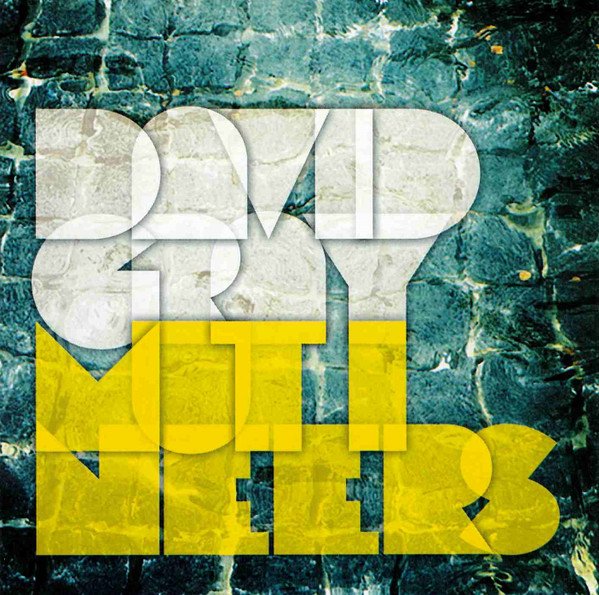
The album cover for David Gray’s Mutineers (2014).
One of the really interesting things about this album – aside from how good it is lol – is that ‘Birds of the High Arctic’ is just one of three bird-related titles. There’s also ‘As the Crow Flies’ and ‘Gulls’, both of which I’ll probably get into in future posts.
If you’re unfamiliar with Gray’s music – and I assume you are – then you might be interested to know that his entire musical catalog is punctuated with bird references. Not to mention references to nature in general. Gray is an avowed lover of the natural world, and he’s especially fond of birds. So it’s not all that surprising that his music is so nature- and bird-centric.
I’ll circle back to this topic in a bit, though. Right now I want to dig into what ‘Birds of the High Arctic’ is about.
Here’s the first verse:
Baby say it isn’t true You were never there It wasn’t you It’s more than I can do To try and keep it shiny new The gap just opens up Between the words we like to use And the thing that’s seen Seen through your eyes now darling In blue distances calling Like the birds of the high arctic
Before reading on, I’d recommend giving the full song a listen. As provocative as the lyrics are, they represent only a fraction of what makes this song so achingly beautiful. There are several live versions of the song floating around, all of which are quite excellent, but I’d stick with the original album version for the time being.
Here’s an audio-only YouTube link. Crank it!
So what exactly is this song about?
Actually, wait. That’s the wrong question.
How about:
What is my personal interpretation of the song?
Yeah, that sounds sooo much better. There are no right or wrong answers when you frame it that way. Which is precisely the way it works with all great art.
To begin – because I think this is key – who are the birds of the high Arctic? You know, we aren’t talking Panama here. Or the wilds of Africa. We’re talking about the earth’s upper latitudes. Where it tends to be fairly cold and icy year-round. And where birds are generally few and far between.
The birds of the Arctic are a quiet and unassuming lot. Whether they’re prey or a predator, they aren’t trying to grab anyone’s attention. Remaining as inconspicuous as possible is kind of their thing. You might hear them occasionally – if you try really hard – but spotting one across the endless fields of snow and ice will always be something of a challenge.
Which is where I think Gray is coming from when he writes In blue distances calling/Like the birds of the high arctic. The metaphor is meant to emphasize the distance (i.e. the gap that has opened up) between the song’s protagonist and their significant other. The lyrics seem to suggest that said protagonist has inadvertently discovered that their partner has perhaps been unfaithful.
The third verse…
They’re calling Like the birds of the high arctic This darling For the light in your eyes sparked it Two sheets to the wind
…adds another layer to the song’s themes.
I’m not aware of any metaphorical meaning behind ‘two sheets to the wind’ other than describing someone who is moderately drunk. A quick Google search turned up no heretofore unknown uses of the expression.
I don’t think the metaphorical meaning makes a whole lot of sense in the context of the song, anyway. I would argue that Gray is borrowing the original literal meaning of the phrase and using it to illustrate a state of being. Here’s how Dictionary.com explains the nautical origin of the phrase:
‘The sheet is the line that controls the sails on a ship. If the line is not secured, the sail flops in the wind, and the ship loses headway and control.’
That totally tracks with the rest of the song’s lyrics. Thematically, I believe Gray is ultimately describing a relationship that has disintegrated. Or one that has veered very far off course. The protagonist is left feeling lost and disoriented.
And the sound of birds calling across the lonely, desolate, and blue-tinted Arctic landscape? It perfectly describes the sense of distance and disconnection that has consumed the couple.
Well, that’s my take on it. Maybe I’m wrong. Or maybe I’m right. Who can say for sure? Maybe the birds of the high Arctic.
Ok, one last thing. I said I’d get back to this – Gray’s relationship with nature – so here it is.
Based solely on social media posts he’s made over the years, I kind of knew all this. However, I hadn’t come across any official statements he’s made on the topic until very recently. This is from a piece that appeared in an April 2025 edition of the UK’s The Telegraph. He’s referring here to going for walks when he has downtime:
“I want to hear the nature around me and be completely connected. I’m so wired to nature it’s a time when I’m very present. I’m very in the moment. I’m living the landscape, the birds, the calls, the place, the sound of the wind through the grass, the water. The whole thing is living inside me.”
It’s a little bit astonishing to read that. It could just as easily have come out of my own mouth. It’s really no wonder that I’m so drawn to his music.
Cheers all!
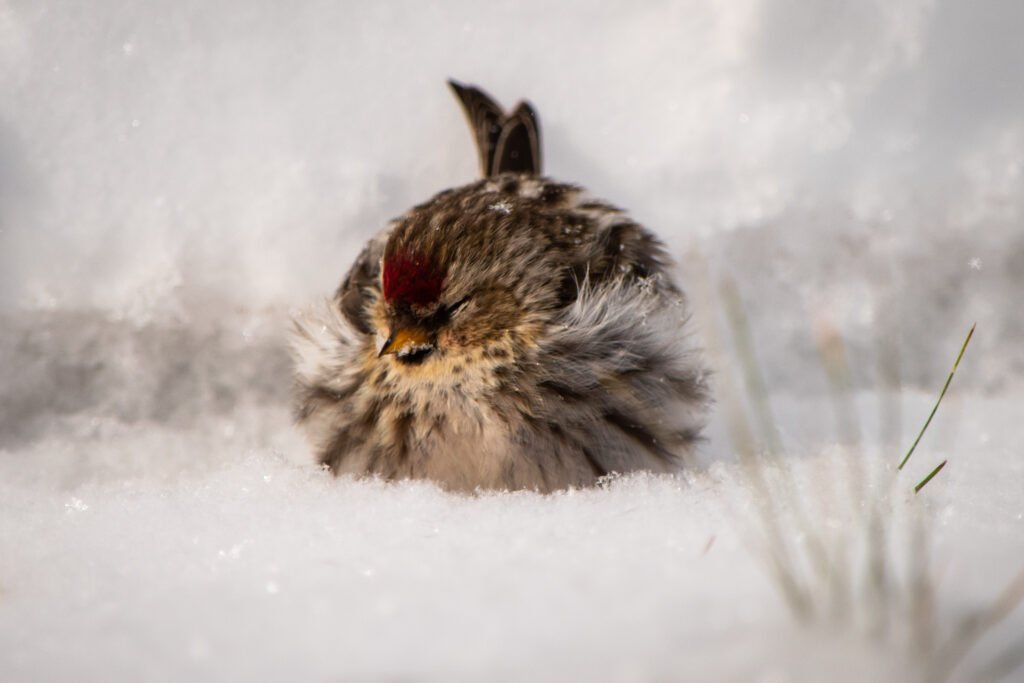
P.S. Here’s one of those occasional birds of the Arctic, a Redpoll:
Director: Chloé Zhao Writer: Chloé Zhao, Maggie O’Farrell (screenplay); Maggie O’Farrell (novel) Country of Origin: U.K./U.S.A.
One could possibly write an entire book on the glut of movies and television shows that have mis-represented birds in one way or another over the past ninety-plus years. Not simply in terms of outlandish and inaccurate bird behavior (e.g. Hitchcock’s The Birds), but also in less insidious ways.
Things like:
The use of a Red-tailed Hawk call anytime a Bald Eagle appears on screen. Or a bird song or call in a geographic setting where those birds would never actually be found.
These minor annoyances (to a birder, anyway) continue right into the present day with the release of Chloé Zhao’s Oscar-nominee Hamnet (2025).
I won’t go into the film itself to any degree. I thought it was generally quite good, with only a few hairline cracks to nitpick about. It’s certainly not the most cheerful film of the year, and in that regard, it’s a genuinely heavy experience. But I love a good sad or melancholia-fueled cinematic vision more than most, so I was perfectly fine to take on all that weight.
One of the key stories explored throughout the film is the bond between Agnes Shakespeare, née Hathaway – played by Jessie Buckley – and the natural world. For my money, it’s the thematic thread that effectively holds the narrative together.
In today’s world of disconnection and apathy, this particular topic is becoming increasingly relevant. To see it play out on the big screen in the ways it does in Hamnet was a little surprising, to be honest. But a very welcome surprise, obviously.
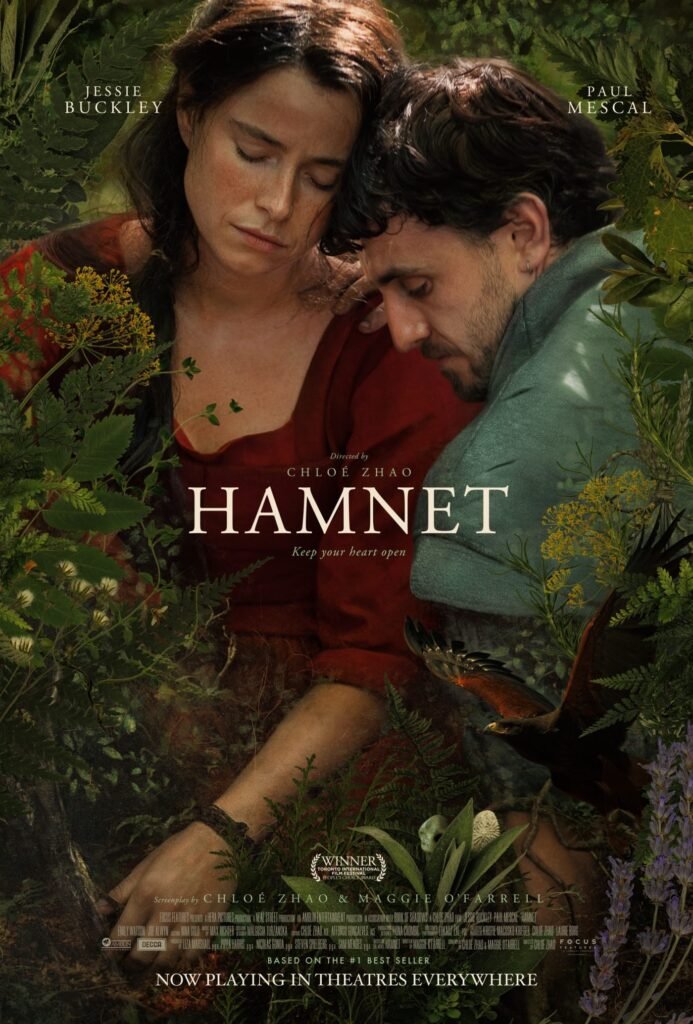
Perhaps just a tad bit unfortunately, however, this theme happens to be the source of my only real complaint with the film. If you’ve watched it, or maybe if you’ve only seen the trailer or glanced at the poster…
Theatrical poster for Hamnet (2025).
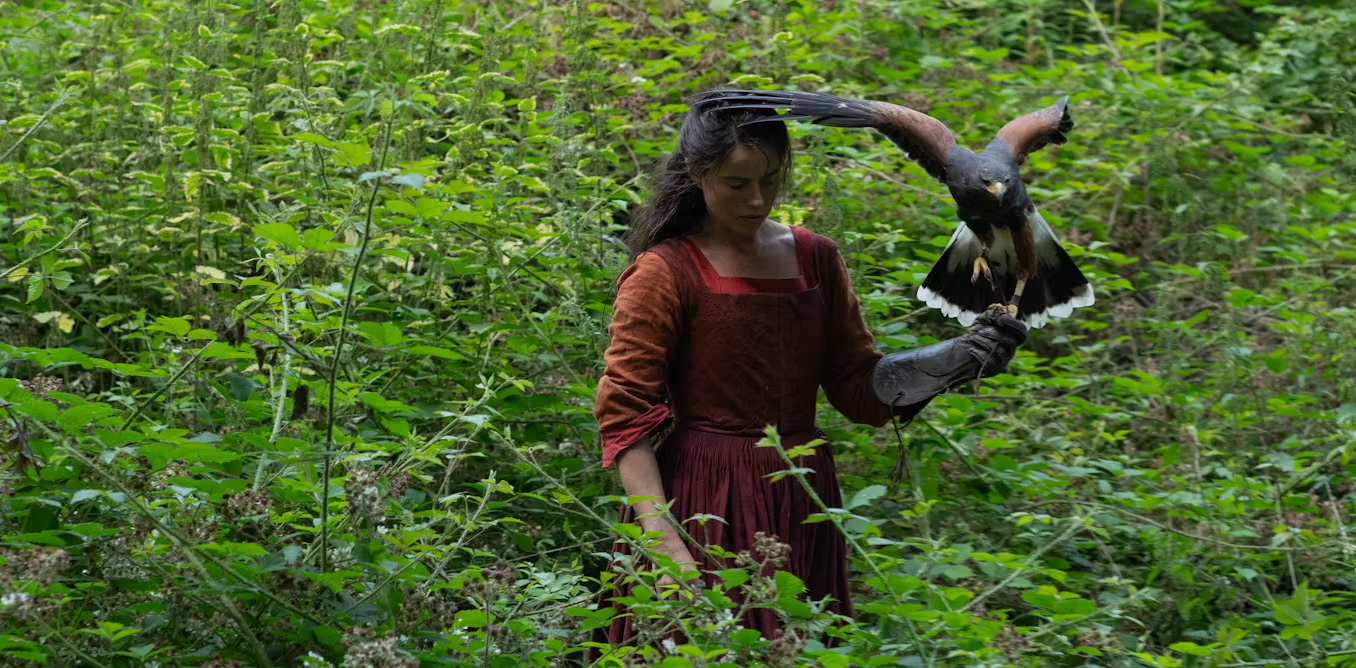
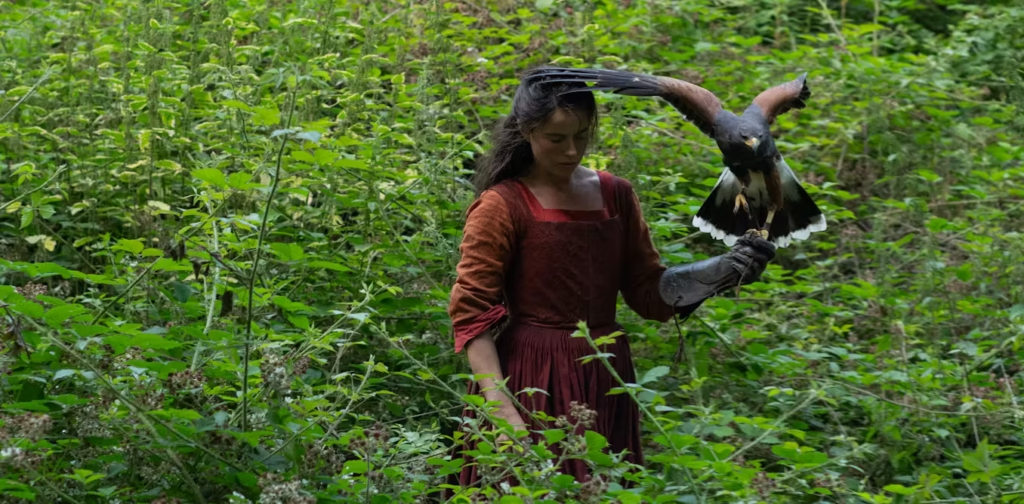
…you’ll likely know that Hamnet features a hawk. Agnes’ sort-of ‘pet’ hawk. You can see it at the bottom right on the poster, but here’s a shot from the film, in case you’re in doubt:
Jessie Buckley in Hamnet, holding her ‘pet’ hawk.
Though only appearing in the film for a few minutes, the hawk does add some important thematic value to the story and the character arcs. At no point in the film is the species of hawk mentioned. It’s simply referred to as a ‘hawk’.
As we all know, of course, discerning the exact species of hawk used in the film is ridiculously easy. Given our current technology and resources. Well, as it turns out, it’s a Harris’s Hawk (Parabuteo unicinctus).
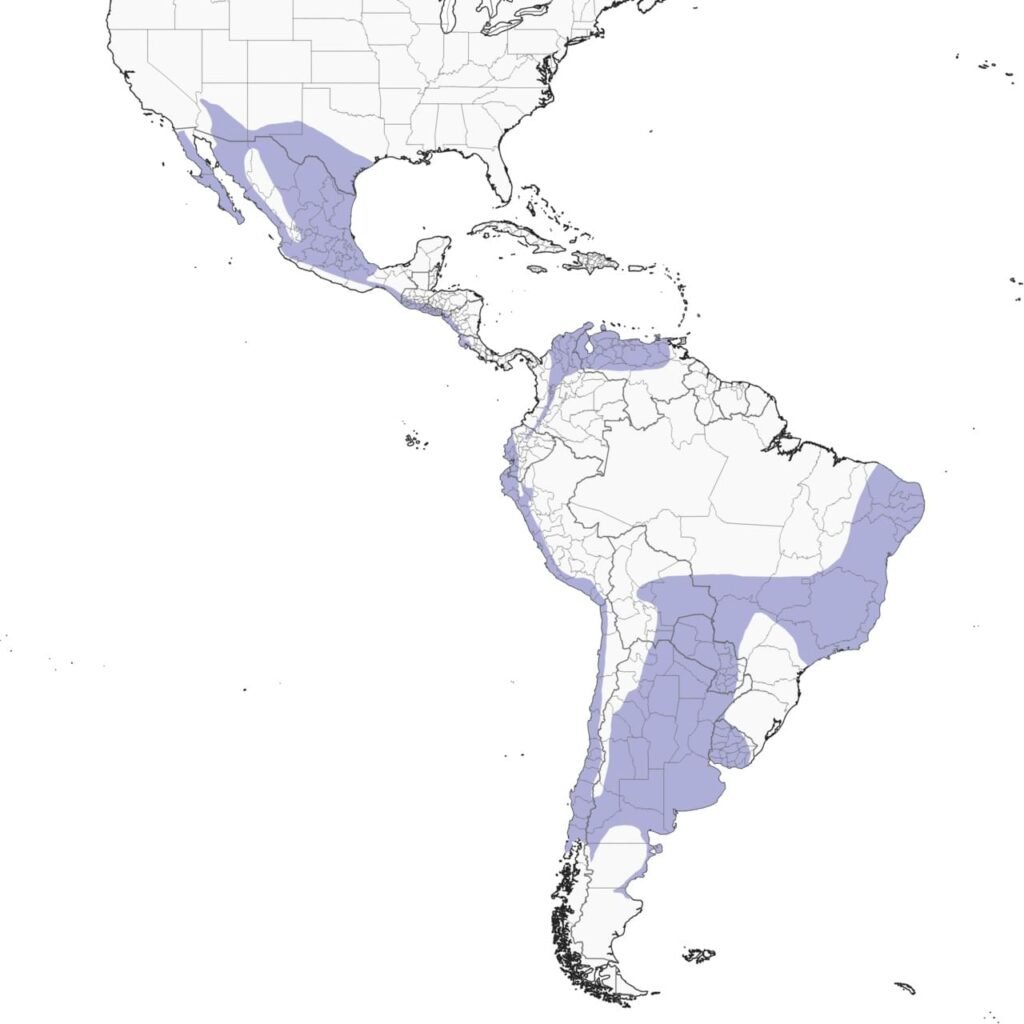
Here’s a range map for the Harris’s:
Range map for the Harris’s Hawk, courtesy of AllAboutBirds.org.
So…their range covers a bit of North America…a bit of Central and South America…and…that’s it.
They aren’t found in England. Or anywhere in Europe, for that matter. In fact, you won’t find one anywhere outside of the Americas. Not now and not in the late sixteenth century, when Hamnet takes place.
So what gives? Why a Harris’s and not a raptor native to England? Why not a Northern Goshawk? Or a Red Kite?
Well, as far as I can tell, the reason was one of practicality for the filmmakers. According to the CornellLab’s All About Birds page on the Harris’s Hawk, “[it’s] social nature and relative ease with humans has made it popular among falconers and in education programs.”
Ok, so I guess I kind of get it. They’re easy to work with. Which is certainly not true of most raptors. So…fine. It is what it is. Sure, it’s another pop culture birding flub, but I suppose I can live with it. I mean, what else am I (or any other birder) going to do? Write angry letters?
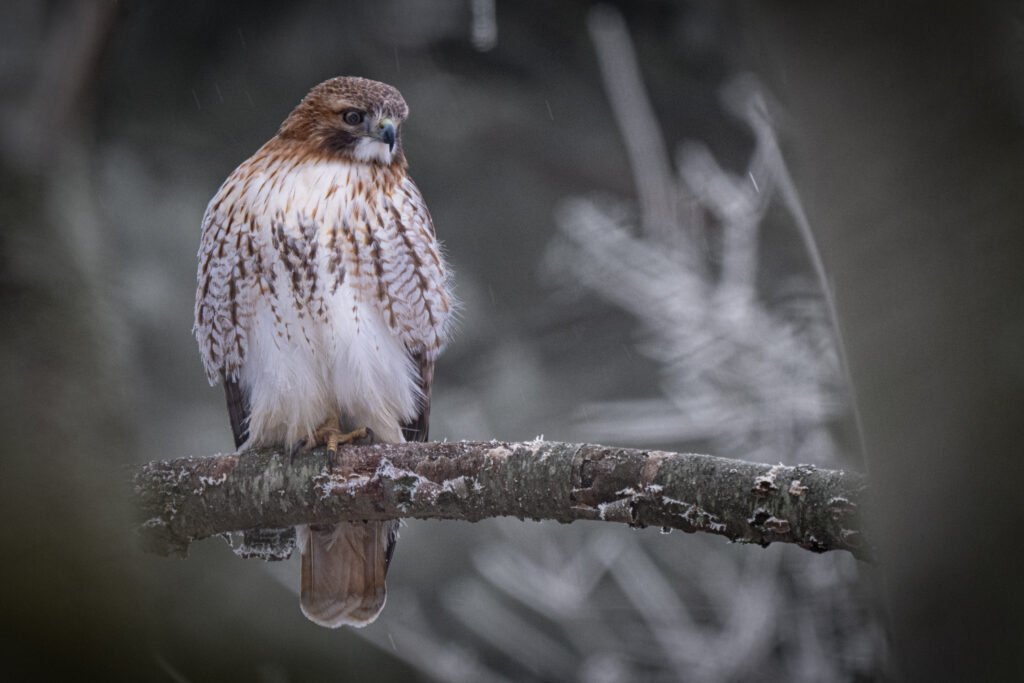
I don’t have any photos of a Harris’s Hawk. In fact, I’ve never seen one. Not yet. But here’s a Red-tailed Hawk, the official vocal stand-in for the Bald Eagle in virtually every film ever made:
Writer: David Francey Performer: David Francey Country of Origin: Canada
The Mission
I’m on a mission. Luckily for me, not an impossible one.
I aim to find every song that makes reference to a bird at the species level. So I don’t mean ‘crow’, or ‘sparrow’, or ‘bluebird’. Those are more akin to family names, biologically speaking (in strict terms, that’s not entirely accurate either, but you know what I’m getting at).
For the record, I will be considering those more general bird references in future posts. There will be a lot to cover, so stay tuned, folks.
Right now, though, I’m talking about songs like this:
Just like the white winged dove Sings a song, sounds like she’s singin’ “Ooh, ooh, ooh”
That, of course, is the opening stanza from ‘Edge of Seventeen’ by Stevie Nicks. In that early 80s classic, Nicks isn’t simply referencing a ‘dove’. She’s specifically talking about the White-winged Dove, which is exactly what I’m talking about.
I might get into that song somewhere down the road, but today I’m here for a song that, until very recently, I was completely unfamiliar with. I found this one while searching on Spotify for ‘bird songs’ or something along those lines. At or near the top of Spotify’s list was something called ‘Red-winged Blackbird’.
The name of the artist behind the song – David Francey – was vaguely familiar. I listen to a decent amount of folk and folk-adjacent music, so perhaps his name had shown up on Spotify as a recommendation some time in the past. But the song itself: that was entirely new to me.
The Song
Super curious, I immediately gave the song a listen. With a title like ‘Red-winged Blackbird’, I did make the perhaps silly assumption that the song would take some sort of metaphorical approach to the titular bird.
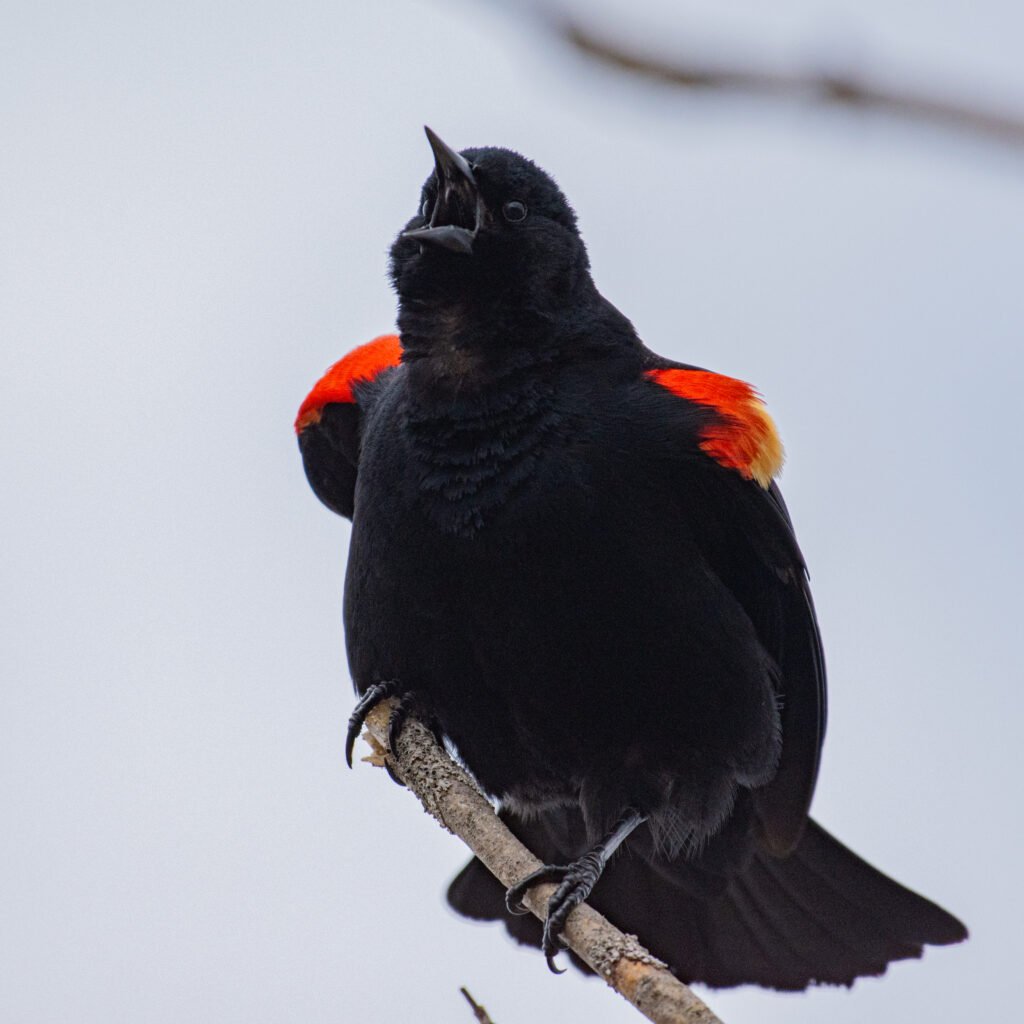
Wow, was I ever mistaken! This little number goes way beyond a mere mention: the entire song is about the Red-winged Blackbird. Or at least it’s about the calls of one.
This is a really fantastic song. It’s simple and to-the-point. The guitar work and vocals are lovely. Francey’s Scottish accent is distinct and ear-catching. I’m not sure why, but I always like to hear a singer’s accent when they sing.
There might be a bit of room for interpretation in the lyrics, but not much. At its core, it’s really just about someone hearing the calls of a Red-winged Blackbird and recognizing those calls as a harbinger of spring.
Here’s the chorus and first verse:
Thought I heard a red-winged blackbird Red-winged blackbird down my road Thought I heard a red-winged blackbird Red-winged blackbird down my road
He’ll be there beside the river When winter finally breaks its bones He’ll be king among the rushes He’ll be master of his home
I would call that a pretty accurate description of a male Red-winged Blackbird staking out his territory in early spring.
Across much of the U.S., Red-winged Blackbirds are year-round residents. But for those of us who live in southern Canada or some of the northernmost states, their calls have a strong springtime association. Along with Common Grackles, they’re often some of the first migrants to shown up en masse in late winter and early spring. Every year, they’re a reliable addition to my eBird checklists by mid-March at the latest.
By all means, give this tune a listen. If you’re at all inclined towards the folksy side of music, I think you’ll enjoy it. You don’t need Spotify or any other streaming service. There’s a high quality upload on YouTube, posted by Francey himself:
A Bit About David Francey
Originally from Scotland, he moved to Canada with his family when he was twelve. A lifelong poet, singer, and blue collar advocate, he didn’t release his first album until he was in his forties. That was ‘Torn Screen Door’ in 1999. Which just happens to be the album on which ‘Red-winged Blackbird’ appears.
If you’re interested in learning more about Francey, I’d suggest checking out his website. There’s plenty of great info there. Here’s a link.
Alright, I’m off in search of more bird-themed songs.
Director: Ramon Zürcher Writer: Ramon Zürcher Country of Origin: Switzerland
For the record, I have not seen this film.
Further to the record, I will not be seeing this film at any point in my life. I’ll explain why shortly.
How It Began
The Sparrow in the Chimney has been described variably as psychological drama, psychological horror, and as some combination of the two. IMDb labels it simply as ‘Drama’. As does Letterboxd.
The IMDB description is more than a wee bit vague:
‘The stark personality differences between sisters Karen and Jule become apparent as their families come together for a birthday party.’
Umm…okay.
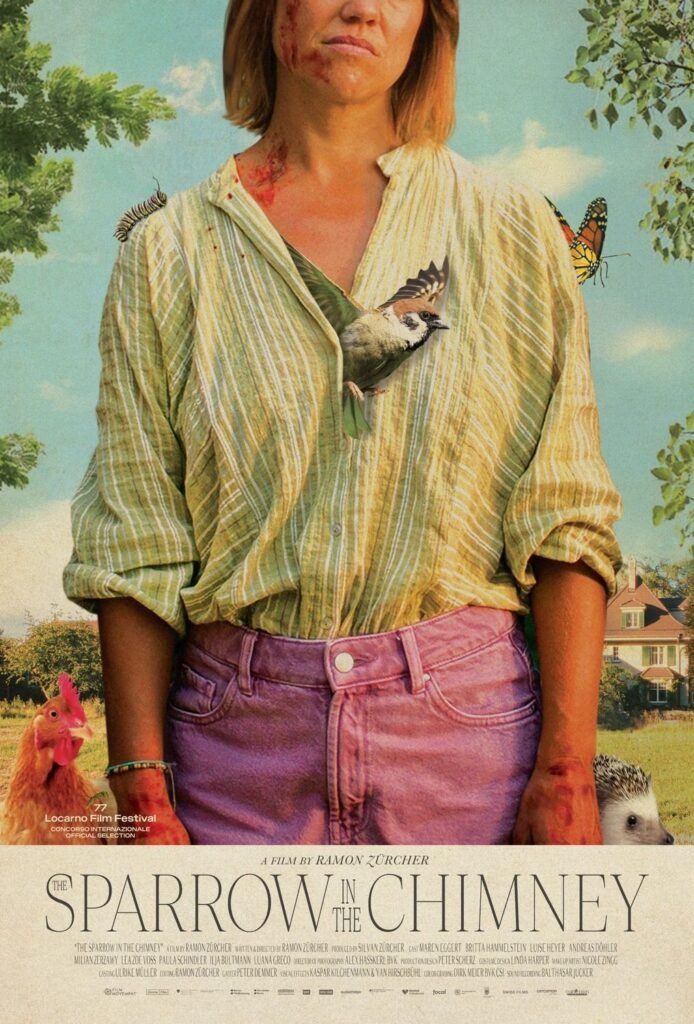
Nonetheless, I was intrigued by the film’s title and its poster. The poster features a House Sparrow (Passer domesticus) bursting free from a woman’s shirt. A few other critters, including a Monarch butterfly, a hedgehog, and a chicken, are shown as well. The woman on the poster appears decidedly disgruntled. Here it is:
Official poster/one-sheet for The Sparrow in the Chimney (2024)
Interesting. I think.
I gave the trailer a watch. It gives off that distinct arthouse vibe that so many European films tend to do. Given the range of descriptions that have been applied, that’s not at all surprising. It’s also by no means a bad thing. I’ve watched and enjoyed many such films throughout my life. Some have been masterpieces. Many have been pretty mediocre. And a good number have been just plain terrible. I’m perfectly fine with arthouse, generally speaking.
But. And this a big BUT.
As revealed in the trailer, the film features – literally – a House Sparrow caught inside a chimney.
My interest had already begun to wane.
Now, before you go, ‘Meh, it’s just a House Sparrow’, keep in mind that this film is a Swiss production. And it’s set in Switzerland. As any good birder knows, House Sparrows are native to Europe. The film’s setting is precisely where they belong.
Unlike here in North America, where they’re an introduced species and can be problematic for certain of our cavity-nesting native birds. But that’s not exactly why I’m here doing what I’m doing. Resources abound that can fill you in on all the House Sparrow lore that you need to know. The CornellLab’s All About Birds page will do.
No, I’m here to tell you why, as a work of art and/or entertainment, The Sparrow in the Chimney is problematic.
To a bird (and animal) lover like myself, the idea of watching a film wherein a bird is trapped inside a chimney for a potentially extended period of time is…well…not my idea of a good time. For me, this sort of thing is very triggering for a number of reasons I will not detail here. Moreso, it’s simply an unpleasant thing to watch or have described in any medium whatsoever. You know, unless you’re a psychopath.
However…
Where It Went
Rather than immediately rushing to some dramatic conclusions about the content of the film, I figured I would check out an official review. No, not some idiotic user review on IMDb or Letterboxd, but an actual review written for a major publication.
Before I get to that, though, I want to at least briefly cover what the film is about. Based entirely on what I could gather from having watched the trailer.
Very much in a nutshell…
The story centers around a family get-together at a country house. There appears to be an abundance of tension between all of the various characters due to any number of unresolved conflicts and past traumas. In essence, it’s a dark family drama and quasi-horror film involving some seemingly unpleasant characters who probably shouldn’t be hanging out together in the first place.
(Sounds a bit like my family. Eeek!)
From what I was later able to piece together from a couple of online sources, the sparrow in the chimney is meant to symbolize the mental states (i.e. feeling trapped; wanting to escape) of one or more of the main characters. That totally tracks with what the trailer showed.
But yeah, after watching that trailer, I was very much riding the fence on this film. A proper review was definitely in order. As it happened, the very first review I found – by Matt Zoller Seitz at rogerebert.com – turned out to be the only one I needed to read.
Zoller Seitz was not a fan of The Sparrow in the Chimney. There were a number of reasons why he panned it, the majority of which I won’t go into here (by all means, check out his review). But there is one criticism he levels at the film that I want to mention because it’s really significant.
For me, it was the proverbial nail in the coffin. The reason why I’ll never waste two hours of my life watching this…well…dreck, to be perfectly honest.
How It Ended
As Zoller Seitz spells out in his review, “There’s a lot of animal cruelty in the movie…”. I know a few of the specifics, but it’s not worth my time to go into them. I’ll just say this:
In any way, shape, or form, I have zero tolerance for that sort of nonsense. Regardless of context. Regardless of whether it’s real or simulated (which appears to be the case here). The use of animal cruelty as a plot or story device, or as a way to define a character in some manner, is often extremely troubling. But the depiction of said cruelty specifically for the purpose of art or entertainment: that’s not for me.
And hopefully it’s not for you either.
So that’s the last thing I’ll ever say about The Sparrow in the Chimney.
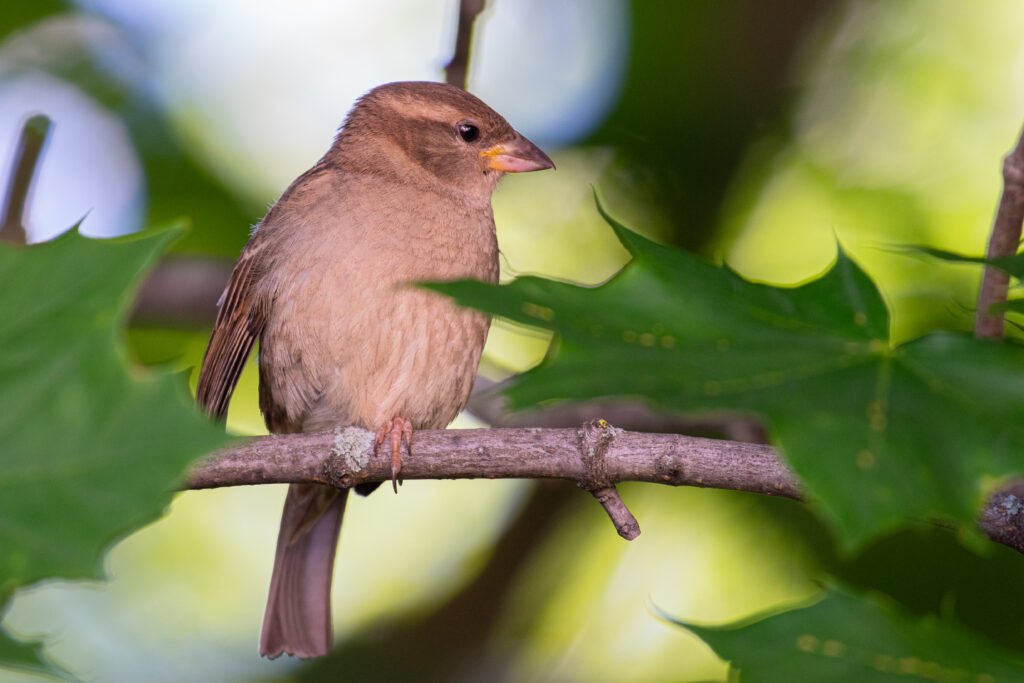
As a sort-of palette cleanser, how about a pic of a fledgling House Sparrow? Cute but deadly. I’m not even kidding.
Director: Steven Spielberg Writer: Steven Spielberg (story); David Koepp (screenplay) Country of Origin: U.S.A.
Heading Out on the Trail
‘If you found out we weren’t alone, if someone showed you, proved it to you, would that frighten you?’
So goes the tagline for Steven Spielberg’s newest film, Disclosure Day, set to open in theatres on June 12, 2026. It’s reasonably catchy, isn’t it? ‘If you found out we weren’t alone’ alludes to what we can safely assume is the central subject of the film: aliens. Maybe it’s a bit too on the nose, but I think that’s perfectly fine here given that we are talking about a big-budget Hollywood film.
The middle bits of the tagline go a long way towards explaining the film’s title. ‘Disclosure Day’ establishes that we – humankind, that is – are about to discover that we are not, in fact, alone in the universe. That’s cool.
The last section, ‘would that frighten you?’, suggests that such a disclosure might be a tad…challenging…for many people. Given the human capacity for ego and self-absorption, along with a general disdain for anything coded as ‘other’, I’m inclined to think that such knowledge would be extremely frightening for most of humankind.
Yeah, I’m liking that tagline more and more all the time.
However.
This blog slash newsletter is called ‘Pop Culture Birding’. It’s probably safe to infer that birds and birding will be discussed here in some way, shape, or form. So what exactly does Disclosure Day have to do with birds? Or birding? Aside from the fact that it’s a Steven Spielberg film that features a great cast and deals with aliens in some capacity, what is the big bird-related or bird-adjacent deal with this film?
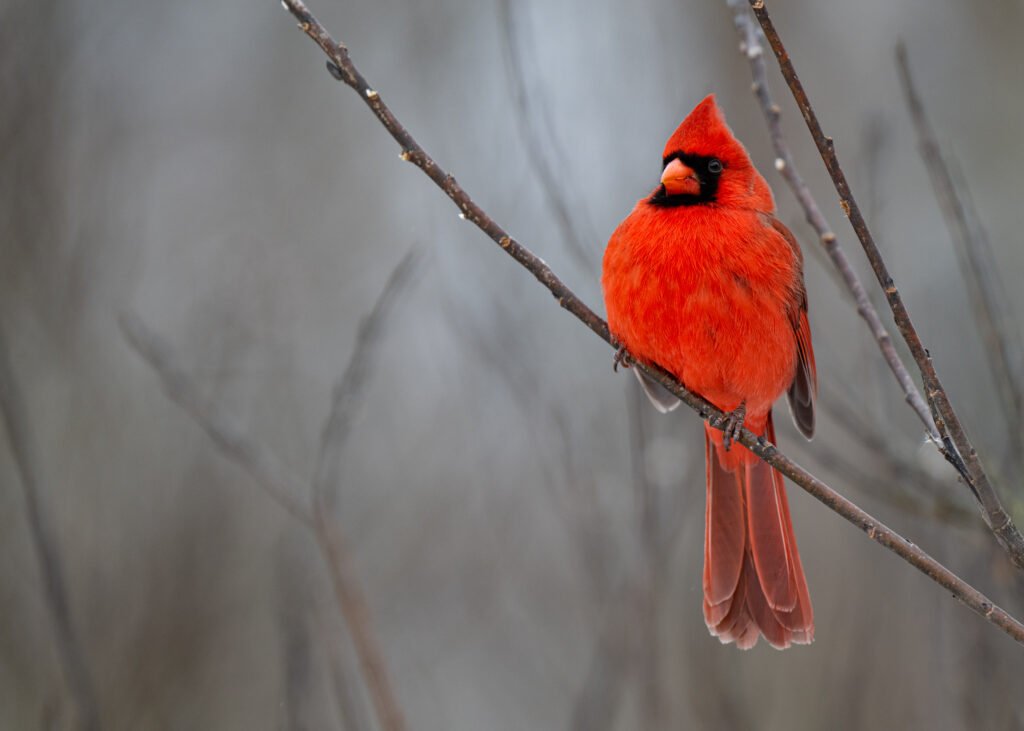
Well let me tell you. In two words: Northern and Cardinal. Also known as Cardinalis cardinalis. You know, one of these handsome dudes:
(Yeah, that’s one of my photos, not some AI-generated slop.)
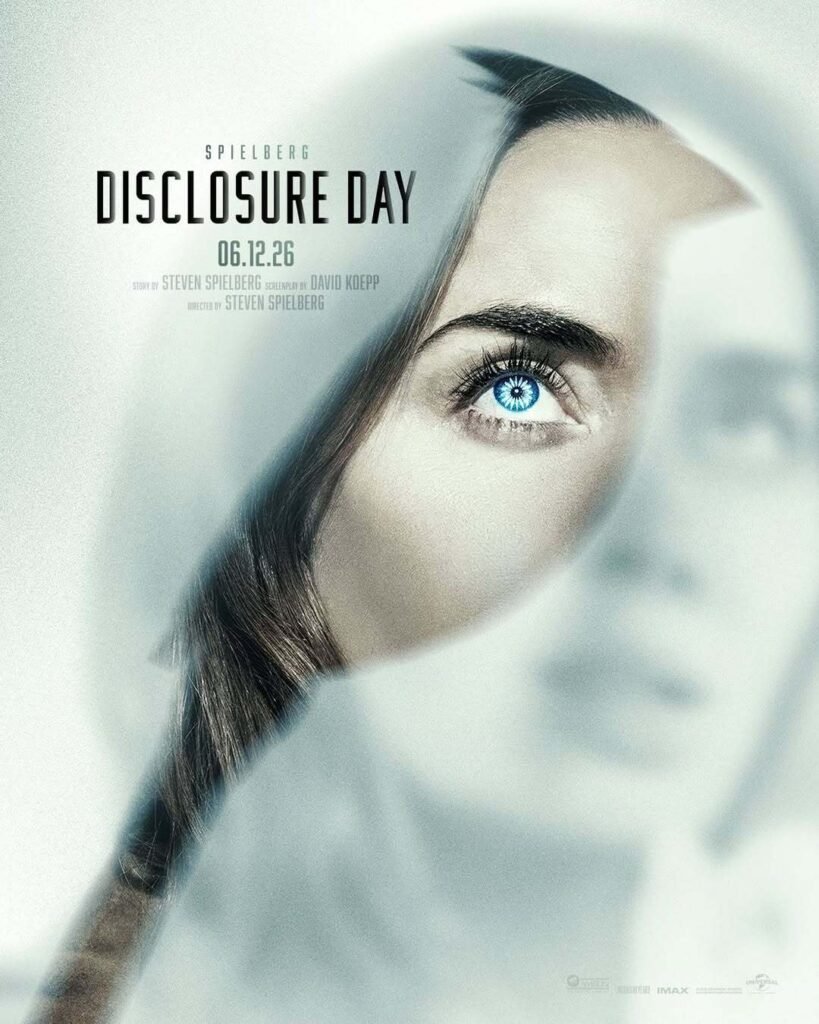
Now, if you happen to have already watched the trailer for the film, or if you’ve seen the poster, I guess you’ll already know why, as a bird nut, I’m making a fuss over this film. However, if you’re a bit out of the cinema loop, and you know little or nothing about Disclosure Day, here’s a poster for you to take a gander at:
Disclosure Day poster 1.
Bam! See what I’m saying? That’s a Northern Cardinal superimposed over Emily Blunt’s not-quite-human visage. To a birder and cinephile like myself, this poster is super cool.
I’ve already entirely forgotten where and when I first caught sight of this poster. Maybe on Instagram. Or maybe it popped up on IMDB’s main page when I went there searching for some trivial bit of info on another film. Which is a distinct possibility. In all likelihood I was simply too caught up in the excitement of seeing a Northern Cardinal splashed so prominently on the poster to remember the how and when of it all.
Naturally, I immediately headed over to YouTube to see if any trailers for the film had dropped. Lo and behold, there it was: a nice little two-minute teaser trailer. Theoretically rubbing my hands together in obsessive anticipation, I hit play. Then – ugghh – waited as some inane ad began to play. As soon as the ‘Skip Ad’ button appeared, we were off to the races.
I was of course super excited to find out precisely what the film was about. At least to the extent that any good teaser trailer is able to give out such info. But I was also very keen on keeping my eyes open for any shots included in the trailer that might explain why a Northern Cardinal had been placed front and center on two of the posters.
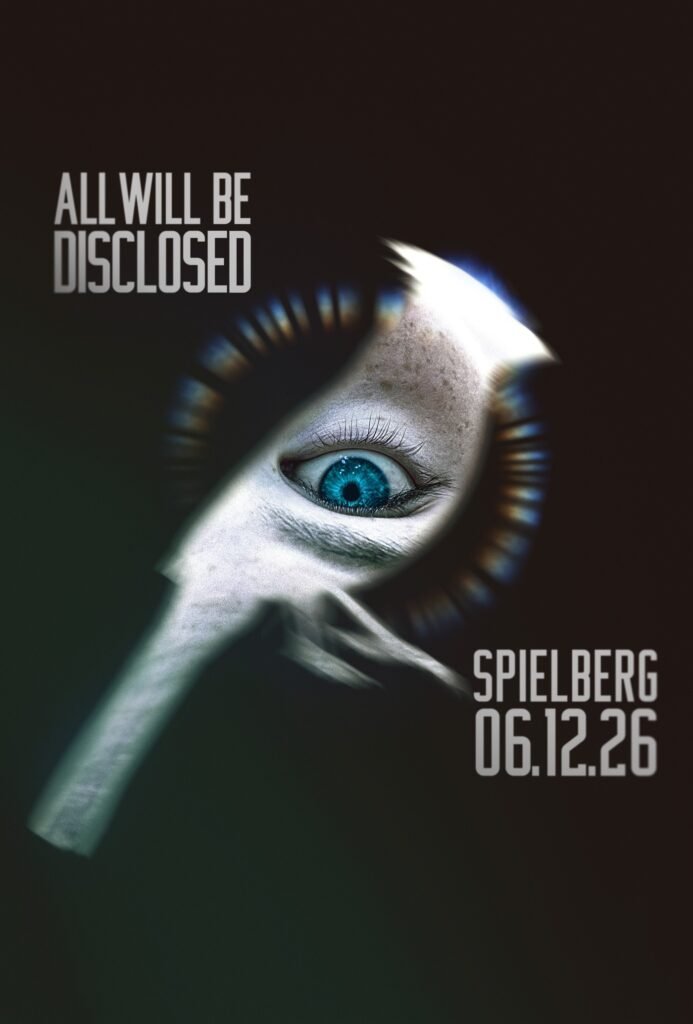
Ha-ha, yeah, there are actually two posters that feature the Northern Cardinal. Here’s the second one:
Disclosure Day poster 2.
Cool, right?
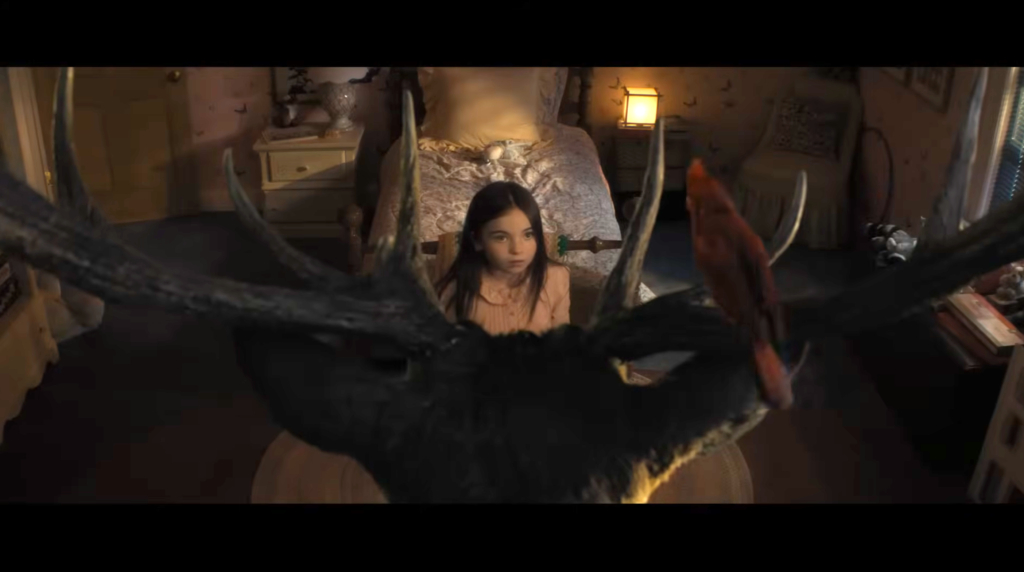
So how about that trailer? Ok, so a CG-animated Cardinal appears in two shots. In the first, it flies into a living room and lands on a small table in front of two of the main characters (played by Emily Blunt and Wyatt Russell). In the second, it lands on the antlers of a CG-animated deer (featured on a third poster, he-he) as the deer approaches a little girl in her bedroom.
A scene from the trailer featuring a Northern Cardinal perched on a deer’s antler.
There are two additional shots that I would also call significant. Where Cardinals are concerned, that is. These quick shots reveal a Northern Cardinal-themed mobile hanging in that same little girl’s bedroom. Ah, the plot thickens.
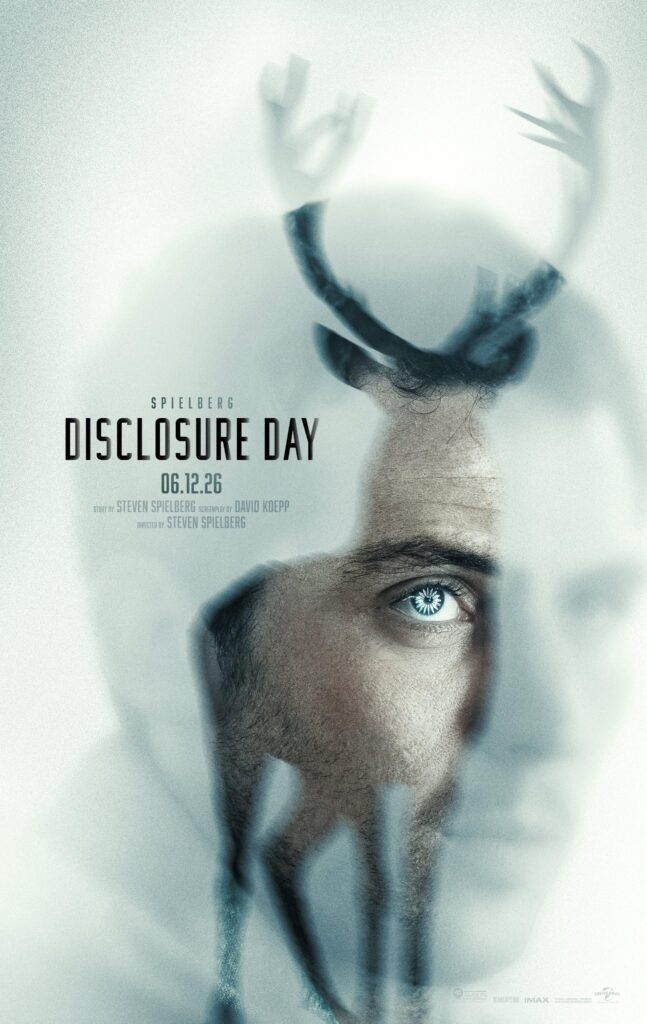
Oh yeah, almost forgot. Here’s the third poster:
Disclosure Day poster 3.
So what is Disclosure Day all about? And what makes a Northern Cardinal (not to mention the deer and a few other critters) such a seemingly important character in the film? These seem to me like good and worthy questions to ask. Alas! To my and surely everyone’s dismay, the film is – as previously mentioned – months away from official release. This means that there is very little to go on when attempting to come up with answers to these mysteries. We have the trailer. We have the posters. And we have the tagline. That’s it. That’s literally all there is. Realistically, all I can do at the moment is come up with some wild guesses what’s going on in the film.
All of which begs another important question that may have already occurred to some: why even bother at this point in the game? Why not simply wait until after I’ve seen the film? You know, when I can actually justify the absurd number of hours I’m spending coming up with reasons why everyone should be excited about this film.
Now that’s a truly good question. Luckily for everyone, it’s one I think I can answer. Yay, finally!
Taking a Little Side Trail
Honestly…
…I’m just here to have a bit of fun. To spread a miniscule degree of joy in these…umm…lacklustre times, to borrow a phrase from a fairly obscure song that I love. Existence is a bit rough right now. For all or maybe even most of us. So why not try to lighten the world’s collective load by sharing my thoughts, my passions, and my joy with anyone who might like to listen.
I’m deeply in love with birds and birding. They bring so many good vibes into my life. I mean, nature in general does, but I have a ridiculous kind of obsession with our feathered companions. I mean, I literally dream about birds sometimes.
Same goes for movies. I’ve been a movie nut for a very, very long time. As in well over forty years. I’ve watched tens of thousands of movies throughout my life. The ritual of sitting down to watch a movie, to become immersed in a particular film’s world, and to carry that experience around with me: these are important to me in ways I can’t fully articulate. I’m sure there’s some strange evolutionary reason behind it, but I couldn’t tell you what it is. Not that it even matters.
My point here is that these two things – nature and art, birds and movies, however you want to pair them – are wellsprings of wonder, love, and joy for me on an extremely personal level. They are the things that inspire me and keep me going day after day, even as the entire world pivots in ways that are often less than hopeful.
For quite some time now I’ve been thinking to myself: why not combine these two things that I love into something I can share with others? Sure, there is a kind of fun in letting the experiences simply run wild inside my own head. But like any caged bird, they ultimately want out. They want the freedom to roam and explore. To fully and truly live.
And so here I am. And here we are.
I did of course realize from the get-go that looking at and considering birds and birding in movies – and in popular culture as a whole – is a fairly niche topic. That’s kind of the whole point, though. As far as I can tell, no one has ever done this. At least not to the degree that I plan on doing it. Having realized this gap existed, it seemed only logical to jump on my own little bandwagon and go zooming through pop culture’s birding trails and hotspots.
As may be obvious, the preceding has been a bit of an introduction to the whys and wherefores of this whole endeavour. My plan is to go into much more detail in future posts about the many twists and turns that have led me here. I will do my absolute best to make sure the personal posts are fun and informative reads. There will of course be plenty of bird, movie, and general pop culture content sprinkled throughout the personal stuff.
One other little thing, while the topic is still timely and I’ve not yet managed to bore everyone to tears.
Besides birds and cinema, there are two other wildly important passions in my life. Aside from my life partner, that is, lol! One of them is photography. I’ll be getting into this a fair bit in later posts. The focus will primarily be on my own photographic journey, but I might touch on photography as a form of both art and popular culture on some occasions as well. Birds will frequently be mentioned, so be prepared. My other huge source of joy and wonder would be my two feline companions, Willow and Gala. I might mention them from time to time. We’ll see.
Right now, though, back to what we all assumed was the topic of this post: Disclosure Day.
On the Trail Again
Anyone who knows anything about Steven Spielberg or about popular cinema in general knows that Disclosure Day marks a return. Aliens are of course one of the subjects that made Spielberg a household name across much of the planet. From Close Encounters of the Third Kind (1977) to E.T. The Extra Terrestrial (1982) to War of the Worlds (2005), Spielberg knows and loves his aliens. That Disclosure Day continues with this subject in some form is pretty obvious from the teaser trailer and the posters. Less obvious is the specific nature of the aliens in the world that Disclosure Day presents to us.
Based on the tagline and the general gist of the trailer, in the film’s fictional world, humans are – unsurprisingly – unaware that aliens exist. Several shots in the trailer suggest that the aliens are attempting to communicate with humans via certain animals, including the Northern Cardinal and the deer. There is also a shot in which we get to see a raccoon and (I think) a fox behaving in ways that are more than a little unnatural. I can’t wait to find out what that’s all about!
Then there is the one human animal – the Emily Blunt character – who also appears to be a communications conduit for the aliens. The precise nature of what the aliens are attempting to communicate: that’s anyone’s guess right now.
Having watched the trailer a few times, there is one thing that I’m especially curious about. Why have the filmmakers chosen the various animals we see in the teaser trailer. The deer, the raccoon, the fox, and the Northern Cardinal: why these? I keep wondering if maybe it’s somehow related to how intertwined the lives of these particular animals have become with our own lives in our modern world. Luckily, we should be getting a new full-length trailer very soon, so maybe that will help shed a bit of light on these probing questions. Fingers crossed until then, right?
As I mentioned already, this is all in good fun. It’s definitely not something to think too deeply about. At least not until we’ve seen the film. After that, all bets are off. Having said that, and purely from a birder’s perspective, I do think it’s a semi-big deal that a Northern Cardinal has been selected by the makers of Disclosure Day to convey certain narrative ideas. And to – presumably – help move the story along. I’m beyond intrigued by what the trailer and posters suggest, but perhaps even more so, I’m unabashedly overjoyed to see a bird as iconic as the Northern Cardinal take on such a possibly significant role in a major Hollywood film.
Another Little Side Trail
We all know that Hollywood isn’t what it used to be. In various ways, both good and bad. Specifically, though, I’m referring to the sort of movies that Tinseltown has been churning out for the past couple of decades. Wholeheartedly consumed by the monster that is late-stage capitalism, the big studios rarely invest in standalone or purely original stories. You know, the kind that bring with them any sort of financial risk. If it isn’t a sequel, a remake, a reboot, or coming from some other entertainment medium with a built-in audience tagging along: it probably isn’t getting financed by a major studio.
Even a film such as Disclosure Day, despite it being an original concept, is a wholly recycled package. Spielberg tackling aliens for the fourth time is by no means the pinnacle of originality. But for better or for worse, it’s probably one of the primary reasons the film was greenlit in the first place.
Oh well, what are we going to do, not watch it? That’s just absurd.
Despite my obvious cynicism regarding Hollywood, I remain very excited about Disclosure Day. It may be a recycled package, but that doesn’t preclude it from bringing fresh and exciting ideas to the screen and to our lives. Besides, when I think about how many brilliant films Spielberg has made – not to mention the number of excellent films written and/or directed by wunderkind screenwriter David Koepp – how could I not be stoked to see this. That release date of June 12 is very much on my cinema radar.
By the way, here’s the teaser trailer:
I will most likely revisit this film on here somewhere down the road. After I’ve actually seen it, of course, and I can discuss it in more meaningful ways. In the meantime, keep your eyes peeled for any oddball Northern Cardinals who appear to be attempting some sort of coded communication with you and your friends.
P.S.
Every so often I get up from my desk to look out the window that overlooks my backyard. I have an assortment of bird feeders placed at strategic locations, which I keep well-stocked with various kinds of bird seed. Despite the intolerable winter weather that is currently battering my neck of southern Ontario (-7° C, a -18° C windchill, winds gusting to 72 km/h, and snow) my backyard is full of birds.
There are lots and lots of Dark-eyed Juncos, a few Black-capped Chickadees, plenty of House Sparrows, an American Tree Sparrow, a White-breasted Nuthatch, Mourning Doves, and yes, Northern Cardinals. Birds are some of the toughest and most impressive creatures our planet has ever given birth to. We can all thank evolution by natural selection for the humbling gift of winter birds.